
Community Violence Intervention
What Community Violence Intervention (CVI) Is
Community Violence Intervention, or CVI, is a community-based, public health approach to reducing gun violence and building safety through healing, trust, and opportunity. It focuses on preventing violence before it happens by engaging directly with individuals and groups who are at the highest risk of being involved in gun violence as victims or participants.
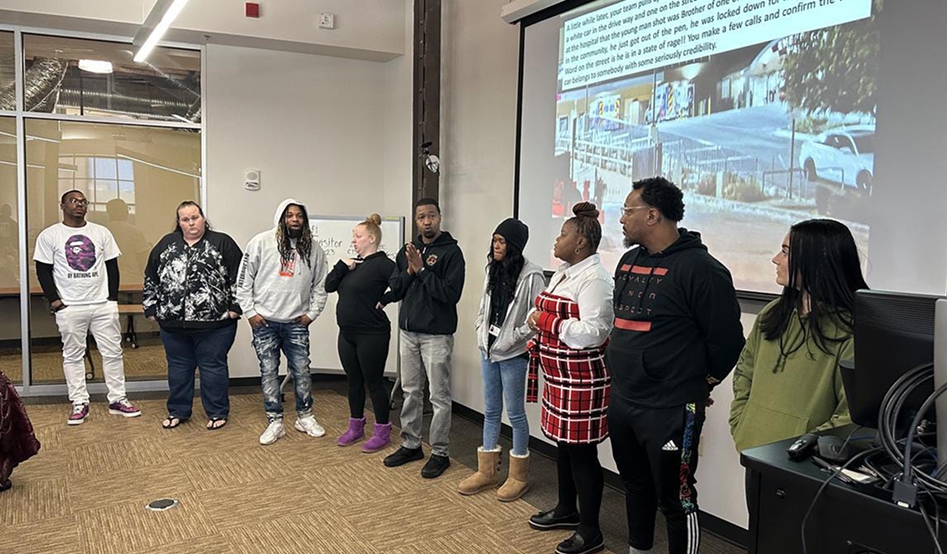
CVI is built on credible relationships, personal transformation, and consistent support. Practitioners — often called outreach workers, Violence Intervention Specialists, or peacekeepers — use mentorship, mediation, and life coaching to help individuals resolve conflicts, access resources, and change their life trajectory.
CVI programs are guided by data, rooted in lived experience, and supported by collaboration across systems such as law enforcement, social work, mental health, education, and public health. The goal is to achieve long-term community safety through connection and care, not control or punishment.
What CVI Is Not
CVI is not a social service program alone. While it connects people to vital services like housing, employment, and mental health care, its foundation is built on relationships, mentorship, and consistent presence in the lives of those most affected by violence.
CVI is not a short-term response to crises. It is a sustained investment in people and neighborhoods that aims to shift culture, restore trust, and build long lasting peace.
CVI is not about surveillance, punishment, or control. It is about empowerment, support, and accountability within the community itself.