
Advance Peace
Peacemaker Fellowship®
Evidence-Based Practices
The Advance Peace model is grounded in evidence-based strategies that reduce gun violence by addressing root causes such as trauma, instability, and limited access to opportunity. Fellows receive stipends and coordinated support to help meet basic needs—including food, transportation, childcare, and housing—allowing them to focus on healing, growth, and long-term change.
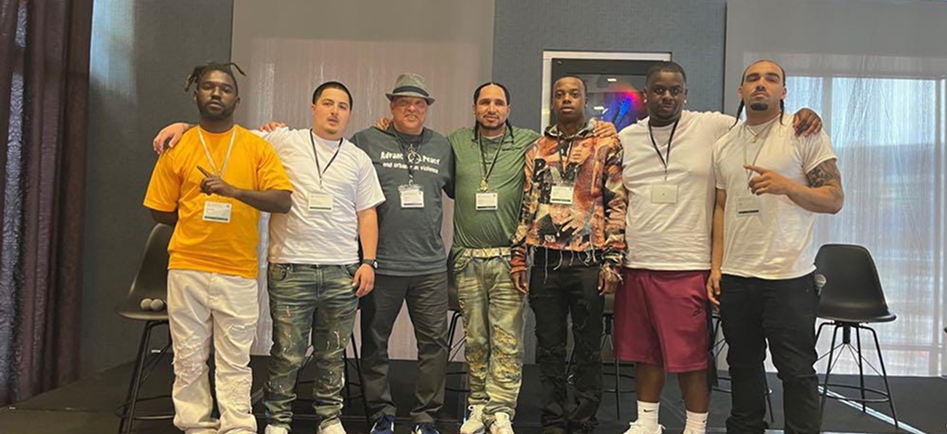
Core Components of the Model
- Street Outreach: Neighborhood Change Agents (NCAs) build consistent, trust-based relationships with individuals most impacted by gun violence. Through frequent contact and 24/7 availability during critical moments, NCAs (violence intervention specialists) provide guidance, safety support, and early intervention to prevent escalation.
- Intensive Case Management: Each Fellow works closely with an NCA (violence intervention specialist) to develop a Life Management Action Plan (LifeMAP) outlining personal goals and milestones. Small caseloads allow for individualized support, accountability, and connection to services such as counseling, education, and housing support.
- Mentorship & Life Skills: Fellows receive intergenerational mentoring and life skills coaching focused on conflict resolution, emotional regulation, decision-making, and personal responsibility—strengthening their role as positive influences in their communities.
- Cognitive Behavioral Support: Trained practitioners use cognitive behavioral approaches to help Fellows recognize harmful thought patterns, manage stress, and respond to conflict in healthier ways.
- Subsidized Employment: Fellows who demonstrate sustained engagement may access subsidized employment opportunities that build job skills, economic stability, and long-term career pathways.
Seven Daily Touchpoints
The Advance Peace model is anchored by seven daily touchpoints that provide consistent support, promote healing, and elevate community voice. Together, these touchpoints reduce cycles of retaliation, prevent gun violence, and support long-term safety and stability.
At the center of this approach is the 24-month Peacemaker Fellowship®, a high-touch, relationship-driven program grounded in evidence-based practice. Through daily engagement between Fellows, staff, and community volunteers, the Fellowship creates the conditions necessary for lasting change.
The Seven Touchpoints
- Daily Check-Ins: NCAs (violence intervention specialists) connect with Fellows daily—often multiple times per day—providing encouragement, accountability, mentorship, and real-time support. These consistent relationships are a cornerstone of the Fellowship and a key driver of engagement and growth.
- Social Services Navigation: Rather than simply referring Fellows to services, NCAs (violence intervention specialists) actively support enrollment and early participation. NCAs (violence intervention specialists) accompany Fellows to initial appointments, help navigate systems, and ensure services are culturally responsive and well matched to individual needs—significantly increasing follow-through and success.
- Transformative Travel: Fellows participate in cultural, civic, and educational excursions outside their home communities. These experiences expose Fellows to new possibilities, support healing across rival groups, and foster personal growth through activities such as college tours, community service, conferences, and civic engagement.
- Internship Opportunities: After demonstrating sustained commitment, some Fellows access paid internship opportunities designed to build job skills and workforce experience. Positions are typically part-time and fully subsidized by Advance Peace to reduce barriers for employers and support long-term job retention.
- LifeMAP Goal Setting: Each Fellow co-creates a Life Management Action Plan (LifeMAP) with their Violence Intervention Specialist (NCA). The LifeMAP assesses key areas of life—such as housing, education, employment, health, safety, and relationships—and outlines clear short- and long-term goals with timelines. Plans are reviewed and updated every six months to track progress and adjust support.
- Elders Circle: Respected community elders provide intergenerational mentorship through twice-monthly group sessions and individualized guidance. Elders support Fellows in areas such as family relationships, employment readiness, and personal development, while also strengthening the broader support network around each Fellow.
- LifeMAP Milestone Allowance: Fellows receive milestone-based allowances tied to consistent participation and progress toward LifeMAP goals. These allowances reinforce positive change, reduce reliance on street-based economies, and affirm the value and potential of each Fellow.